I’ll never forget the day my dad pulled into our driveway with a brand-new sports car – a Datsun 280ZX. Back then, it was a dream car. Silver and blue, T-top roof, plush interior – it was sharp. But what amazed me most was not how it looked or how fast it could go. It was the fact that it could talk.
This was long before Siri, Alexa or GPS. But that car had a calm female voice that would warn you whenever something was wrong. If the gas was low, it would say, “Fuel level is low.” If the door was open, it would say, “Door is open.”
As a kid, I thought there must be a little lady living inside the dashboard.
That car could warn you, alert you, and tell you what needed attention. But it could not drive the car.
That is a picture of what happens in our minds.
We all have internal warning lights – fear, stress, embarrassment, sadness, frustration, anxiety. Those feelings are real, but they were never meant to take the wheel and drive our lives.
That is one of the most important lessons we can teach our kids.
A child feels embarrassed and starts thinking, I’m so stupid.
A child feels left out and starts thinking, Nobody likes me.
A child feels nervous and starts thinking, I can’t do this.
The feeling may be real, but the thought attached to it may not be true.
One of the greatest gifts we can give our children is teaching them they do not have to believe every thought that enters their minds. Here are three simple ways to help them take those thoughts back.
1. Name It — If you can’t name it, you can’t defeat it.
Many kids are being pushed around by emotions they do not understand and thoughts they have never slowed down long enough to identify.
That is why the first step is helping them name both the feeling and the thought behind it.
Sometimes kids do not need a quick fix. They need a safe place to say, “I feel scared,” “I feel left out,” “I feel embarrassed,” or “I feel frustrated.”
Then ask, “What are you telling yourself right now?”
That question matters because what stays vague often stays powerful. But once a child can name it, it begins to lose its grip.
2. Check It — Just because it feels true doesn’t mean it is true.
Kids often believe the first thought that matches their feelings. If they feel lonely, they assume no one cares. If they feel nervous, they assume they are going to fail.
But feelings are real without always being reliable.
Teach your kids to check the story in their head.
Ask:
“Is that really true?”
“Is that the whole story?”
“What is another way to look at this?”
This is not about pretending everything is fine. It is about teaching them to think honestly instead of automatically.
Sometimes the strongest thing a child can say is, “That’s how I feel, but that’s not the full truth.”
3. Change It — Healthy thoughts build healthy lives.
Once a child names the thought and checks the thought, the next step is to change the thought.
Not with fake positivity. But with something healthier and truer.
Instead of, “I always mess things up,” help them say, “I made a mistake, but I can learn from it.”
Instead of, “Nobody likes me,” help them say, “I feel left out right now, but that does not define me.”
Instead of, “I can’t do this,” help them say, “This is hard, but I can handle hard things.”
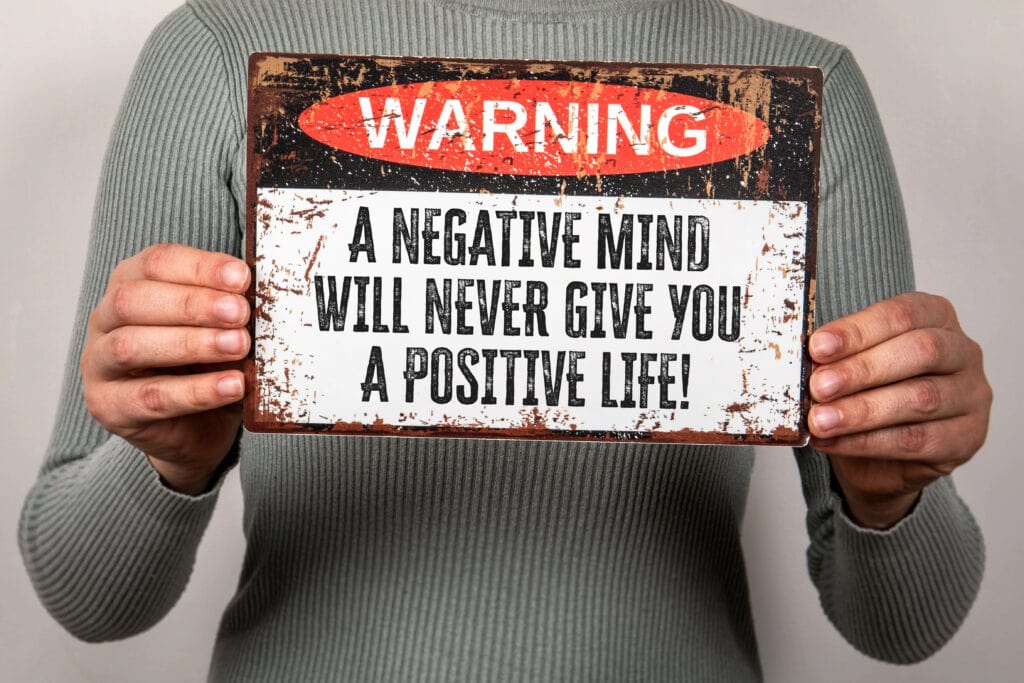
Why does this matter? Because what kids repeat in their minds, they reinforce in their lives. If they rehearse fear, fear grows. But if they rehearse healthier thoughts, resilience begins to grow.
Here is the bottom line: Emotions make great indicators but terrible drivers.
Helping your kids take back their thoughts is not about raising perfect children. It is about raising aware, resilient children who know how to name what is happening, check what they are believing, and change what is not helping.
Because when a child learns to take back their thoughts, they are learning to take back their life.